
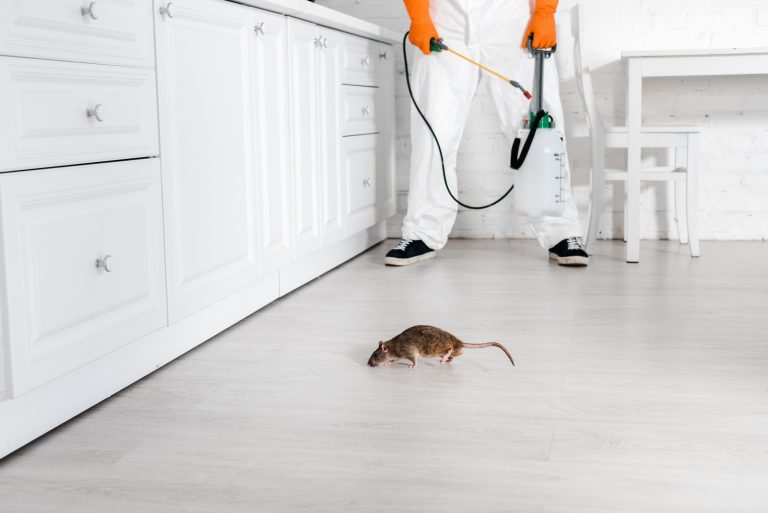
What Are the Main Rodent Treatment Methods Used in Sydney?
Sydney properties facing rodent problems typically rely on two core strategies: baiting and exclusion. These rodent treatment methods address different aspects of infestation control and work best when implemented together.
Baiting
Baiting targets the immediate problem by using professional-grade rodenticides placed in tamper-resistant stations. As part of rodent treatment sydney, these stations attract rats and mice to consume poison, rapidly reducing the active population within a property. Pest control professionals position bait strategically in areas showing signs of rodent activity, ensuring quick results while maintaining safety standards.
Exclusion
Exclusion takes a preventative approach by physically blocking rodents from entering buildings. This method involves identifying and sealing all potential access points—gaps around pipes, cracks in foundations, unsealed vents, and damaged screens. By creating a barrier, exclusion stops new rodents from invading once the existing population is eliminated.
Professional pest control services in Sydney play a critical role in implementing both methods effectively:
- Conducting thorough property inspections to identify entry points and nesting sites
- Selecting appropriate baiting products and placement locations
- Using specialized materials and techniques for permanent sealing
- Monitoring treatment progress and adjusting strategies as needed
- Providing sanitation guidance to support long-term prevention
The combination of baiting and exclusion creates a comprehensive rodent treatment Sydney program that eliminates current infestations while preventing future problems.
How Does Baiting Work in Rodent Control?
The baiting method delivers immediate rodent control through strategically placed poison that targets active infestations. Professional pest controllers use professional-grade rodenticides formulated specifically to attract rats and mice while working quickly to reduce populations. These products contain active ingredients that disrupt the rodent’s internal systems, typically causing death within days of consumption.
Delivery System for Rodenticides
Bait stations serve as the delivery system for these rodenticides, designed with multiple safety features that prevent access by children, pets, and non-target wildlife. The tamper-resistant design includes:
- Locked compartments requiring special keys to open
- Internal baffles that allow only small rodents to reach the bait
- Weatherproof construction for both indoor and outdoor placement
- Secure anchoring systems to prevent movement or removal
Placement of Bait Stations
Pest control technicians position these stations in areas showing high rodent activity—along walls, near droppings, in roof spaces, and around entry points. Rodents naturally travel along edges and established pathways, making these locations ideal for interception.
Speed of Population Reduction
The speed of population reduction depends on infestation severity and rodent feeding patterns. Rats may take 3-7 days to succumb after consuming bait, while mice typically respond within 2-4 days. This rapid action makes baiting essential when dealing with established colonies that pose immediate health risks or property damage concerns.
What Is Exclusion and Why Is It Important for Long-Term Rodent Prevention?
The exclusion method prevents rodents from entering your property by physically blocking all potential access points. This approach targets gaps around pipes, cracks in foundations, damaged vents, and openings where utilities enter buildings—essentially any space a rodent could squeeze through.
How Pest Controllers Identify Entry Points
Professional pest controllers conduct systematic inspections of your property’s exterior and interior to map every possible entry route. They examine:
- Foundation cracks and weep holes
- Roof eaves and damaged tiles
- Gaps around doors and windows
- Utility penetrations (pipes, cables, air conditioning units)
- Damaged screens and ventilation systems
Materials Used for Sealing Entry Points
Sealing entry points requires durable materials that rodents cannot gnaw through. Pest control professionals use:
- Steel wool
- Copper mesh
- Metal sheeting
- Concrete mortar
- Expanding foam combined with wire mesh
Each material suits specific applications—metal flashing works for larger gaps while copper mesh fits perfectly around pipes.
The Benefits of Long-Term Rodent Prevention Through Exclusion
The primary benefit of long-term rodent prevention through exclusion is sustainability. While baiting eliminates current populations, exclusion ensures new rodents cannot establish themselves in your property. A properly sealed building creates a permanent barrier that protects your home or business for years.
This method reduces ongoing treatment costs and minimizes health risks by preventing rodent access entirely rather than continuously managing populations that keep returning through unsealed entry points. Click here to get about rodent removal sydney experts share the best prevention strategies for 2025
How Do Baiting and Exclusion Complement Each Other in Rodent Treatment?
Combined rodent control requires both methods working together to achieve lasting results. Baiting eliminates the existing rodent population inside your property, while exclusion prevents new rodents from taking their place. Without baiting, exclusion alone traps rodents inside, allowing them to continue breeding and causing damage. Without exclusion, baiting becomes a never-ending cycle as new rodents constantly invade to fill the empty space.
The baiting and exclusion synergy creates a two-phase defense system. During the initial treatment phase, professional-grade rodenticides reduce active infestations within 7-14 days. As the population decreases, pest controllers simultaneously seal entry points to prevent re-infestation. This timing ensures rodents cannot escape through newly sealed exits while also blocking external rodents from entering.
Integrated pest management principles recognize that single-method approaches rarely succeed with rodent problems. Sydney properties face constant pressure from urban rodent populations seeking food, water, and shelter. A comprehensive strategy addresses both the immediate threat and the underlying vulnerabilities:
- Baiting provides rapid population knockdown
- Exclusion creates physical barriers against future invasions
- Combined application breaks the infestation cycle permanently
Professional pest controllers in Sydney implement this dual approach after thorough inspections, ensuring neither method undermines the other’s effectiveness. The result is a rodent-free environment that remains protected long after initial treatment.
What Role Do Trapping and Monitoring Play Alongside Baiting and Exclusion?
Trapping rodents serves dual purposes in professional pest control programs: capturing individual animals and tracking infestation severity. Snap traps, cage traps, and glue boards provide immediate feedback about rodent activity levels, species present, and the effectiveness of current treatment strategies.
For a more comprehensive understanding of management strategies for urban rats and mice, it’s essential to consider humane removal methods. Humane removal through cage traps offers an alternative when baiting isn’t suitable for certain environments. Food processing facilities, childcare centers, and homes with pets often prefer live-capture methods that allow for safe relocation. These traps use food attractants without toxins, reducing risks to non-target animals.
Monitoring infestations through strategic trap placement reveals critical information pest controllers need for treatment adjustments:
- Activity patterns: Which areas experience the highest rodent traffic
- Population density: How many rodents remain after initial treatment
- Entry point effectiveness: Whether exclusion work successfully blocked access routes
- Treatment success: Declining trap catches indicate population reduction
Traps positioned along known rodent pathways—behind appliances, in roof spaces, near wall edges—act as early warning systems. A sudden increase in captures signals new entry points or breeding activity requiring immediate attention.
Professional pest controllers document trap results during follow-up visits, creating data-driven treatment plans. This systematic approach identifies whether additional baiting, further exclusion work, or enhanced sanitation measures will achieve complete rodent elimination.
In regions like New Jersey where we offer effective and humane rodent control solutions, these strategies have proven successful. For homeowners grappling with mouse infestations, resources such as Montana State University’s guide on controlling mice can provide valuable insights into effective pest management practices.
Why Is Identifying Rodent Species Crucial for Choosing Treatment Strategies?
Species identification in pest control determines which methods will work most effectively because rats and mice require different approaches. Accurate identification shapes every aspect of the treatment plan, from bait selection to entry point sealing.
Physical and Behavioral Differences
Rats vs mice behavior varies significantly in ways that directly affect treatment success:
- Rats are larger (up to 40cm including tail), cautious around new objects, and create entry points as small as 20mm
- Mice measure only 7-10cm in body length, explore new items immediately, and squeeze through gaps as tiny as 6mm
- Rats prefer consistent travel routes along walls and rarely venture into open spaces
- Mice move erratically and investigate multiple locations throughout a property
Impact on Treatment Selection
Bait placement changes based on species. Rats need stations positioned along established runways near walls, while mice require multiple smaller stations distributed across wider areas due to their exploratory nature.
Exclusion measures must account for the dramatic size difference. A gap sealed to prevent rat entry may still allow mice access. Properties with mice infestations need more comprehensive sealing work, addressing even the smallest cracks around pipes, utility lines, and foundation edges. Rats demand focus on larger structural openings like roof vents, damaged eaves, and gaps under doors.
What Health Risks Do Rodents Pose That Make Effective Treatment Necessary?
Rodents pose significant health risks to Sydney households through direct disease transmission and environmental contamination. These pests carry pathogens that spread through their droppings, urine, saliva, and bites.
Diseases transmitted by rodent infestations include:
- Salmonella – bacteria spread through contaminated surfaces and food, causing severe gastrointestinal illness
- Leptospirosis – bacterial infection transmitted via rodent urine in water or soil, potentially causing kidney and liver damage
- Hantavirus – respiratory illness contracted by inhaling dust contaminated with rodent droppings or urine
Contamination risks
Contamination risks go beyond just disease transmission. Rodent droppings and urine deposits accumulate in pantries, cupboards, and food preparation areas, making stored food unsafe to eat. A single mouse produces 50-75 droppings every day, quickly contaminating kitchen surfaces and creating ongoing hygiene problems.
Property damage from rodents
Rodent activity also causes property damage, which creates additional dangers. Rats and mice constantly gnaw on things to keep their teeth from growing too long, focusing on electrical wiring inside walls and ceilings. Exposed or damaged wiring poses real fire hazards, as rodent-related electrical issues lead to many house fires each year. These pests also ruin insulation, weaken structural timber, and harm plumbing systems, resulting in expensive repairs that get worse the longer infestations continue.

How Do Professional Pest Controllers Ensure Safe and Effective Rodent Treatments?
Professional pest controllers prioritize detailed inspections before implementing any treatment plan. These assessments identify rodent species, entry points, nesting locations, and the severity of infestation—information that shapes customized treatment strategies.
Professional pest control safety centers on protecting occupants and pets throughout the treatment process. Technicians deploy tamper-resistant bait stations that prevent accidental access by children and animals while targeting rodents effectively. These secure placements contain professional-grade rodenticides positioned strategically in areas of high rodent activity, away from living spaces.
Licensed operators select products registered for residential use and apply them according to strict safety protocols. They communicate clear instructions about:
- Keeping pets and children away from treated areas
- Avoiding interference with bait stations during active treatment
- Reporting any unusual observations during the treatment period
Sanitation advice forms a critical component of successful rodent control. Pest controllers recommend practical measures that reduce attractants:
- Storing food in sealed containers
- Eliminating water sources like dripping taps
- Removing clutter that provides nesting materials
- Maintaining clean outdoor areas free from fallen fruit or accessible garbage
This combination of thorough inspection, safe product application, and client education creates lasting results that extend beyond immediate population reduction.