
Why Is Rodent Removal and Prevention Crucial in Sydney?
Rodents are a significant threat to both health and property across Sydney, making professional intervention essential. These pests carry diseases like leptospirosis and salmonella while contaminating food supplies and water sources through their droppings and urine.
Health Risks
Rodents are known carriers of various diseases that can be transmitted to humans. Some of the health risks associated with rodent removal sydney include:
- Leptospirosis: This bacterial infection can cause flu-like symptoms and, in severe cases, lead to liver damage or kidney failure.
- Salmonella: Rodents can carry this bacteria in their intestines, contaminating food and causing gastrointestinal illness in humans.
Property Damage
Rodent infestations can result in extensive damage to properties, leading to costly repairs. Here are some ways in which rats and mice can harm your home or business:
- Gnawing through electrical wiring: This creates fire hazards and puts entire buildings at risk.
- Damaging insulation: Rodents often burrow into walls or ceilings, tearing apart insulation materials.
- Destroying structural timber: Rats have strong jaws capable of gnawing through wood, compromising the integrity of structures.
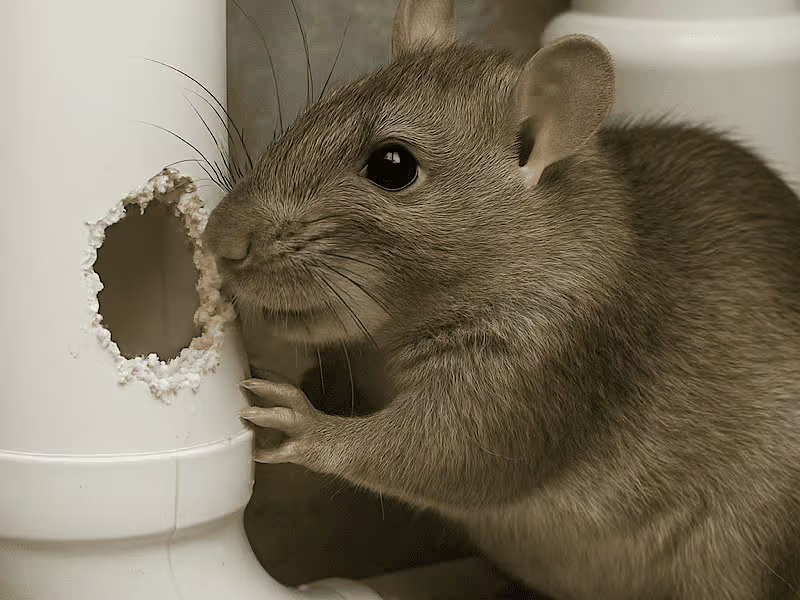
- Tampering with plumbing systems: Mice are known to chew on pipes, leading to leaks or water damage.
The Importance of Professional Help
While there are DIY methods available for rodent control, they may not always be effective in the long run. Professional pest control experts have the knowledge and experience to identify the root cause of infestations and implement comprehensive solutions.
Rodent removal Sydney specialists understand these escalating challenges and have developed comprehensive approaches for 2025. The strategies shared by pest control experts go beyond simple extermination, focusing on long-term prevention through integrated pest management techniques.
Understanding Rodent Behavior
To effectively manage rodent populations, it’s crucial to understand their behavior patterns. Here are some key insights that pest control professionals consider when devising prevention strategies:
- Breeding habits: Rats and mice reproduce quickly, so even a small infestation can escalate rapidly if left unchecked.
- Food preferences: Different rodent species have specific dietary needs. Identifying what attracts them can help in implementing targeted interventions.
- Hiding spots: Rodents seek shelter in dark, secluded areas such as attics, basements, or storage spaces. Regular inspections of these locations are essential for early detection.
Tailored Solutions for Homes and Businesses
Pest control experts recognize that each property has unique characteristics that influence rodent activity. Therefore, they tailor their approaches based on factors such as:
- Building design: Certain architectural features may provide entry points or nesting sites for rodents.
- Surrounding environment: Proximity to parks, gardens, or waste disposal areas can attract rodents.
- Previous infestations: History of pest problems may indicate vulnerabilities that need addressing.
By combining traditional methods with innovative technologies like traps or bait stations, professionals can develop customized plans suited to specific properties.
Educating Communities
In addition to individual interventions, community-wide education programs play a vital role in preventing rodent issues at a larger scale. Pest control experts work with local authorities, schools, businesses, and residents to raise awareness about:
- Sanitation practices: Proper waste management techniques can reduce food sources available for rodents.
- Building maintenance: Regular upkeep of structures helps eliminate potential entry points.
- Reporting mechanisms: Encouraging prompt reporting of sightings or signs of infestation enables swift action.
The financial impact extends beyond repair costs. Businesses face potential shutdowns due to health code violations if rodent problems become evident during inspections. Reputation damage also poses significant risks as customers may avoid establishments associated with pest issues.
Residential properties experience decreased value when infestations persist unaddressed over time. Furthermore, uncomfortable living conditions resulting from rodent presence affect the quality of life for entire families residing within affected homes.
By implementing proactive measures informed by expert advice and community involvement strategies outlined above , both residential properties & commercial establishments can mitigate risks posed by these unwanted guests effectively .
What Are the Initial Steps Taken by Pest Control Experts to Identify Rodent Infestations?
Rodent inspection Sydney professionals begin with comprehensive property assessments to detect active infestations. A thorough inspection serves as the foundation for effective pest management, revealing the extent of rodent activity and guiding targeted treatment plans.
During identifying rodent signs inspections, experts examine both interior and exterior areas systematically. These trained professionals use specialized pest detection methods to uncover evidence that untrained eyes might miss.
Key Indicators Experts Look For:
- Droppings: Fresh pellets near food sources, along walls, or in cupboards indicate active rodent presence
- Gnaw marks: Teeth marks on wood, plastic, electrical wiring, and food packaging reveal feeding patterns
- Grease marks: Dark smudges along walls and baseboards from rodent body oils show regular travel routes
- Nesting materials: Shredded paper, fabric, insulation, or plant matter collected in hidden spaces
- Entry points: Gaps around pipes, vents, doors, and foundation cracks measuring 6mm or larger
- Tracks and runways: Dusty footprints or tail drag marks in less-trafficked areas
- Unusual pet behavior: Dogs or cats showing heightened interest in specific walls or spaces
- Scratching sounds: Nocturnal noises within walls, ceilings, or under floors
Professional inspectors document their findings with photographs and detailed reports, creating a roadmap for customized treatment strategies that address each property’s unique vulnerabilities.
How Do Pest Control Experts Prevent Rodents from Entering Properties?
Sealing entry points forms the foundation of professional rodent-proofing homes in Sydney. Experts physically block every potential access route, eliminating the pathways rats and mice use to infiltrate buildings.
Professional pest exclusion techniques target vulnerable areas where rodents commonly breach structures:
- Foundation gaps – Filling cracks wider than 6mm with steel wool, wire mesh, or cement-based sealants
- Door sweeps – Installing metal or heavy-duty rubber barriers along bottom edges to eliminate gaps
- Window frames – Applying weatherstripping and repairing damaged screens to close openings
- Utility penetrations – Sealing around pipes, cables, and vents with expanding foam combined with copper mesh
- Roof intersections – Securing loose tiles and blocking soffit gaps where rodents access attics
- Wall cavities – Patching holes in external cladding and repairing damaged brickwork mortar
Blocking these access points creates an impenetrable barrier that denies rodents entry to food sources, water, and nesting sites inside properties. When rodents cannot reach stored pantry items or establish sheltered breeding areas within wall voids, they relocate to more accessible environments.
Sydney pest control specialists use industrial-grade materials resistant to gnawing, ensuring long-term protection. Copper mesh proves particularly effective since rodents cannot chew through metal barriers. This physical exclusion method reduces reliance on chemical treatments while providing permanent protection against future infestations.
Why Is Sanitation and Waste Management Critical in Rodent Prevention Strategies?
Sanitation rodent control Sydney experts identify poor hygiene as the main reason why rodents are attracted to homes and businesses. Rodents look for three things: food, water, and shelter. By keeping food sources inaccessible through proper sanitation, we can eliminate their main reason for entering buildings. Following OSHA’s sanitation guidelines can significantly help in maintaining a rodent-free environment.
Waste management pests thrive when garbage bins overflow, food scraps accumulate, or organic waste remains exposed. Sydney’s warm climate speeds up decomposition, creating strong smells that attract rats and mice from long distances. Professional pest controllers stress that even small amounts of accessible food can support entire rodent colonies. Implementing effective waste management practices is crucial in mitigating this issue.
Essential Food Storage Tips
Food storage tips recommended by Rodent Removal Sydney Experts Share the Best Prevention Strategies for 2025 include:
- Store dry goods in airtight glass or metal containers rather than cardboard or plastic bags that rodents easily chew through
- Keep pet food in sealed bins and remove uneaten portions immediately after feeding times
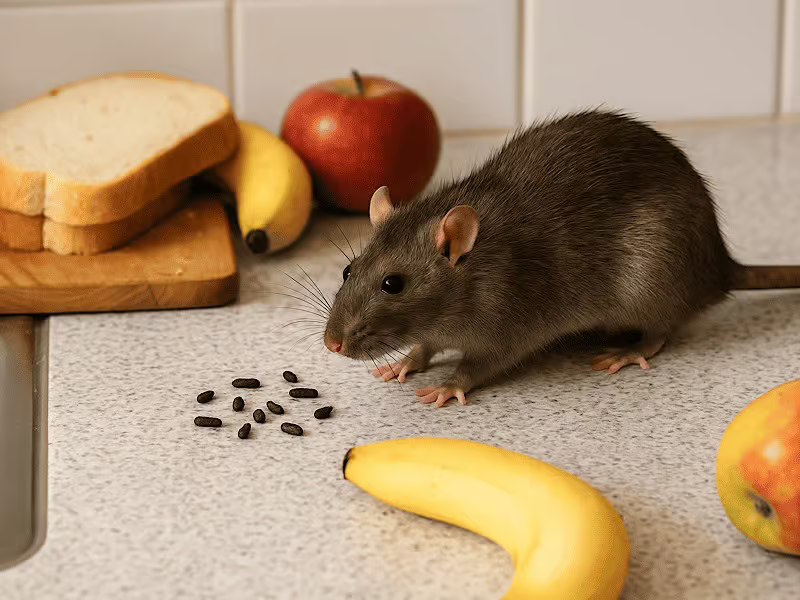
- Clean kitchen surfaces thoroughly each night, removing crumbs and food residue
- Refrigerate fruits and vegetables instead of leaving them on countertops
- Secure compost bins with tight-fitting lids and position them away from building foundations
Proper waste disposal involves using bins with secure lids, scheduling regular collection services, and cleaning bins monthly to get rid of lingering smells. Commercial properties can benefit from installing commercial-grade waste compactors that reduce odour emissions and limit rodent access to discarded food materials. Property managers should also consider implementing some essential pest control tips to further enhance their rodent prevention strategies.
How Does Environmental Management Contribute to Effective Rodent Control?
Environmental management strategies directly impact rodent populations by eliminating the conditions these pests need to thrive. Pest control experts identify environmental factors that attract and shelter rodents, then modify these conditions to make properties inhospitable. Click here to get about rodent treatment sydney: what’s the difference between baiting and exclusion methods?
1. Clutter Reduction Pest Control
Clutter reduction stands as one of the most effective deterrents. Rodents seek protected spaces where they can nest undisturbed, making cluttered areas ideal habitats. Inside properties, stacked boxes, unused furniture, and disorganized storage spaces provide perfect hiding spots. This is where understanding the relationship between hoarding and pest control becomes crucial. Outdoors, accumulated building materials, firewood piles, and garden debris create similar opportunities. Experts recommend:
- Organizing storage areas with items elevated off the floor
- Removing unnecessary items from basements, garages, and sheds
- Keeping outdoor areas clear of debris and unused materials
- Maintaining at least 30cm clearance between stored items and walls
2. Vegetation Trimming Rodents Prevention
Vegetation trimming focuses on eliminating natural pathways to buildings. Overgrown shrubs, tree branches touching rooflines, and dense ground cover create protected routes for rodents to access structures. Sydney pest control professionals advise maintaining a clear zone of at least 45cm between vegetation and building exteriors. Trees with branches extending over roofs require regular pruning to prevent rodents from dropping onto structures. Dense ivy or climbing plants on walls should be removed, as they provide both cover and climbing assistance for rats and mice seeking entry points.
3. Implementing Effective Pest Control Measures
While environmental management plays a significant role in rodent control, it’s equally important to implement effective pest control measures when infestations occur. Understanding the best way to get rid of rats can significantly improve your chances of successfully eliminating these pests from your property.
What Role Do Traps and Baits Play in Integrated Pest Management Approaches for Rodents?
Rodent traps Sydney specialists use these tools as tactical weapons within a broader defense system. Traps and bait stations work most effectively when positioned in high-traffic zones where droppings, gnaw marks, or grease trails indicate active rodent pathways.
The Purpose of Bait Stations
Bait stations pest control professionals install serve multiple purposes beyond simple elimination. These secured devices protect non-target animals and children from accidental exposure while delivering controlled doses of rodenticide. Experts place them along walls, near entry points, and in concealed areas where rodents naturally travel—typically within 3-5 meters of suspected nesting sites. Regular spacing or smart placing of these bait stations can significantly enhance their effectiveness.
The Importance of Integration
The effectiveness of these tools depends entirely on their integration with other methods. A trap placed in a pristine, sealed environment with no food sources performs differently than one in a cluttered space with easy access to sustenance. Integrated pest management rodents programs combine mechanical trapping with exclusion work and sanitation protocols.
Adapting Strategies Based on Property Type
Sydney pest control experts rotate between snap traps, live-catch devices, and electronic options based on property type and infestation severity. They monitor trap success rates weekly, adjusting placement and bait types when capture numbers decline. This data-driven approach identifies whether populations are shrinking or if rodents are simply avoiding specific trap locations, prompting strategic repositioning for maximum impact.
Additionally, incorporating insights from studies like this one, which explore various aspects of rodent behavior and control strategies, can further enhance the efficacy of these integrated pest management approaches.
Why Is Regular Monitoring and Maintenance Important for Long-Term Success in Rodent Control Efforts?
Ongoing rodent monitoring programs are the foundation of sustainable pest control. Regular inspections catch early warning signs—fresh droppings, new gnaw marks, or subtle changes in activity patterns—before a few mice multiply into a full-blown infestation. Experts conducting these checks can identify vulnerabilities that emerge over time, such as weather-damaged seals or new structural gaps.
Pest maintenance strategies prioritize scheduled assessments rather than reactive responses. Properties undergo systematic evaluations every 4-8 weeks, depending on risk factors like proximity to waterways or commercial food establishments. This proactive rhythm allows professionals to:
- Track population trends through monitoring stations
- Adjust bait placement based on seasonal behavior shifts
- Identify structural changes requiring immediate sealing
- Document effectiveness of implemented measures
Timely interventions stop breeding cycles before they accelerate. A single female rat produces up to 60 offspring annually under ideal conditions. Detecting activity within the first generation prevents exponential growth that overwhelms standard control methods.
Rodent Removal Experts Share the Best Prevention Strategies emphasize that maintenance isn’t optional—it’s essential infrastructure. Properties with quarterly monitoring report 73% fewer emergency callouts compared to those relying on sporadic checks. Regular maintenance transforms rodent control from crisis management into predictable, manageable operations that protect both health and property value year-round.
How Are Education Initiatives Enhancing Community-Wide Efforts Against Rodent Infestations?
Community awareness rodents Sydney programs transform individual prevention efforts into collective action by equipping residents and businesses with practical knowledge. Education initiatives teach property owners to recognize early warning signs, implement proper waste management, and maintain rodent-proof environments through workshops, digital resources, and local council partnerships.
Pest control experts in Sydney deliver targeted training sessions that address specific neighbourhood challenges. These programs demonstrate proper food storage techniques, explain how to identify vulnerable entry points, and showcase effective sanitation practices. Business owners receive specialized guidance on commercial-grade prevention measures, while residential communities learn household-specific strategies.
Education rodent prevention 2025 extends beyond individual properties through coordinated pest management programs. Local councils work with pest control professionals to establish neighbourhood-wide initiatives that address shared risk factors like communal bins, parklands, and waterways. These collaborative efforts include:
- Scheduled community clean-up events targeting rodent harbourage areas
- Shared reporting systems for early detection across multiple properties
- Bulk purchasing programs for professional-grade exclusion materials
- Neighbourhood watch-style networks for monitoring rodent activity
Sydney’s most successful prevention campaigns combine digital platforms with face-to-face engagement. Mobile apps now provide instant access to identification guides, reporting tools, and expert advice, while community meetings foster accountability and shared responsibility for maintaining rodent-free environments across entire suburbs.
The integration of education initiatives into these community-wide efforts is proving to be a game changer. By raising awareness about the ecological impact of rodent infestations and promoting sustainable practices, these initiatives are not only helping to control the rodent population but also fostering a sense of community responsibility towards the environment.
What New Advances Are Expected to Shape Future Strategies in Rodent Prevention Beyond 2025?
Innovative rodent control 2025 Sydney is advancing rapidly through technological breakthroughs and safer chemical formulations. Research teams are developing non-toxic baits rodents respond to effectively, using natural compounds and pheromone-based attractants that eliminate risks to children, pets, and non-target wildlife while maintaining lethal efficacy against persistent rat and mouse populations.
The shift toward safer bait options addresses growing environmental concerns. New formulations incorporate biodegradable ingredients that break down quickly in soil without contaminating water sources. Laboratory trials show these alternatives match traditional rodenticides in effectiveness while reducing secondary poisoning risks for predatory birds and native animals.
Smart monitoring pests technology represents another significant advancement reshaping rodent management. Remote sensing devices equipped with motion detectors and thermal imaging identify rodent activity patterns in real-time, sending instant alerts to property owners and pest control professionals. These systems pinpoint exact infestation locations without requiring manual inspections.
Mobile applications now integrate with monitoring hardware, allowing users to track rodent activity through smartphone interfaces. The apps provide data analytics showing peak activity times, movement patterns, and population density estimates. Some platforms use artificial intelligence to predict potential infestation hotspots based on environmental conditions and historical data.
Ultrasonic deterrent systems are becoming more sophisticated, using variable frequency patterns that prevent rodents from adapting to single-tone emissions. These devices work alongside traditional methods, creating multi-layered defense systems that address both prevention and active control needs.
Conclusion
Effective rodent prevention in Sydney for 2025 requires a comprehensive strategy that adapts to each property’s specific vulnerabilities and environmental conditions. Generic solutions rarely succeed against these adaptable pests—customized plans combining inspection, exclusion, sanitation, and monitoring deliver lasting results.
The benefits of expert pest management extend far beyond immediate rodent removal. Property owners gain:
- Protection from structural damage caused by gnawing and nesting
- Reduced health risks from disease transmission and contamination
- Lower long-term costs through preventive rather than reactive measures
- Peace of mind knowing their spaces remain safe and hygienic
Rodent Removal Experts in Sydney Share the Best Prevention Strategies for 2025 with one clear message: success depends on collaboration between professional pest controllers, property owners, and communities. Individual actions—sealing entry points, maintaining cleanliness, proper waste disposal—create the foundation. When combined with professional expertise and emerging technologies, Sydney residents can achieve sustainable rodent control that safeguards both public health and property investments for years ahead.