
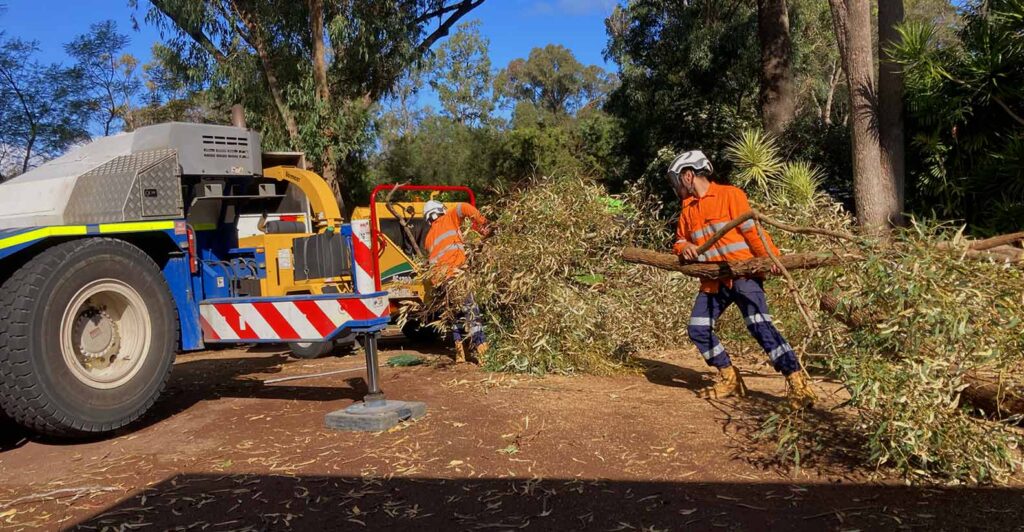
This guide explains what safe, efficient large tree removal looks like, how reputable crews manage risk, and what property owners should check before they approve any work.
What makes large tree removal on the North Shore high-risk?
Large trees carry more weight, more stored tension, and more potential to fail unpredictably, which is why North Shore tree removal requires careful planning and expertise. On many North Shore properties, tight access, sloped sections, retaining walls, and close neighbours raise the stakes.
Risk also increases when trees lean over roofs, pool areas, driveways, or lines. In these cases, controlled dismantling is usually required because there is no safe drop zone for large limbs or trunk sections.
How do professionals decide whether a large tree should be removed?
They typically start with a site assessment focused on structure, stability, and targets. If the tree is dead, splitting, significantly leaning, root-lifted, storm-damaged, or compromised by pests or decay, removal may be recommended.
They also consider whether pruning or cable bracing could meet the goal instead. A good operator explains the options clearly, including when removal is the only practical way to reduce risk long term.
What does “safe and efficient” removal actually involve?
Safe and efficient removal means controlling every piece that comes down, protecting surrounding assets, and completing the job with minimal disruption. Rather than speeding up cutting, efficiency comes from good staging, correct rigging, and a clean workflow.
For large trees, they often remove the canopy first, then upper trunk sections, then the main stem. Pieces are lowered with ropes or mechanical assistance when there is any chance of impact damage.
Which tree removal methods work best for large trees?
They choose the method based on access, targets, and tree condition. Common approaches include sectional dismantling, rigging and lowering, and crane-assisted removal when space is tight or the tree is unstable.
Where there is room and the tree is structurally sound, controlled felling may be possible. On typical North Shore blocks, however, sectional removal is more common because it lets crews manage weight, swing, and landing zones precisely.
How do rigging and controlled lowering prevent property damage?
Rigging systems reduce uncontrolled falls by using ropes, friction devices, and anchors to guide limbs and trunk sections down safely. They can “catch” pieces, slow them, and land them in a clear zone, even when the tree sits above gardens or structures.
This is especially important for large hardwood limbs that can punch through roofs or retaining walls. Done properly, rigging protects not only the property, but also the crew and anyone nearby.
Other Resources : Australia’s native forests and wood production
When is a crane used for large tree removal?
They typically use a crane when the tree is too risky to climb, too decayed to rig from, or positioned where there is no safe lowering path. Crane lifts can remove large sections quickly and with high control, which often reduces time on site.
A reputable team confirms access for the crane, checks ground bearing capacity, and plans pick weights. They also coordinate exclusion zones so no one is under suspended loads.
What should they look for in a North Shore tree removal team?
They should look for licensing and insurance, documented safety processes, and clear communication. A professional crew can explain the removal plan, identify hazards, and outline how they will protect structures and landscaping.
They also provide a written quote that states what is included, such as stump grinding, green waste removal, and site clean-up. If a quote is vague, it is harder to compare offers and harder to enforce expectations.
How can they tell if a quote is realistic and complete?
A realistic quote reflects the complexity of the job, not just the tree size. It usually accounts for access constraints, rigging needs, traffic or pedestrian control if required, and clean-up standards.
They should confirm whether stump grinding is included, whether they will remove all debris, and how they will leave the site. They should also ask if additional costs apply for difficult access, cranes, or after-hours emergency work.
What happens to the stump after a large tree is removed?
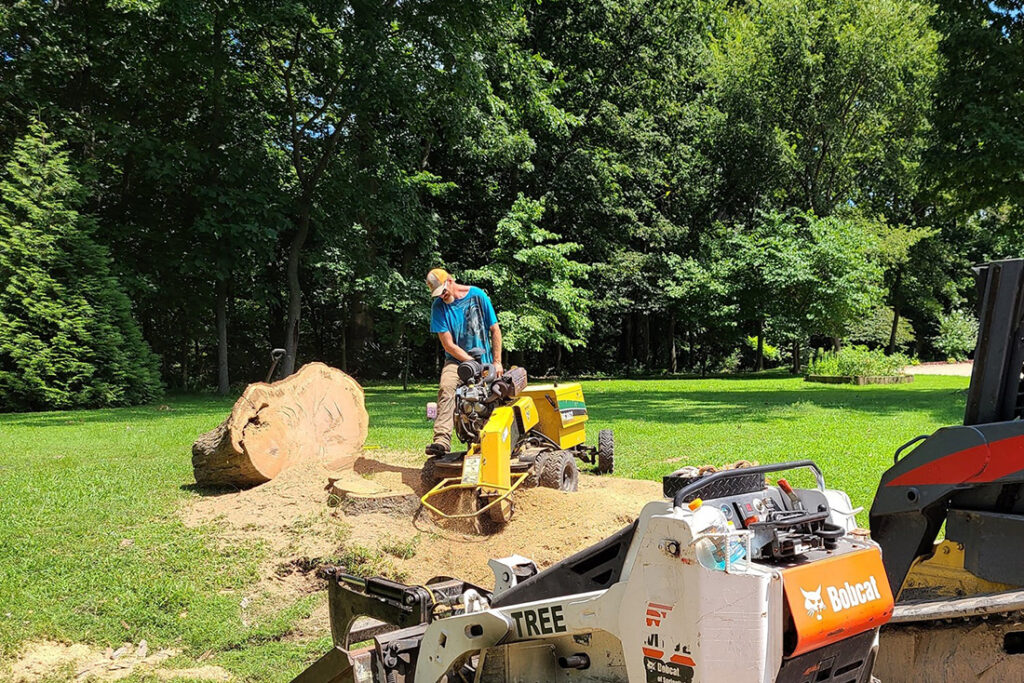
They can choose stump grinding, stump removal, or leaving the stump in place temporarily. Grinding is common because it is fast and allows replanting or landscaping sooner, but the final depth depends on the intended use of the area.
If they plan to pour concrete, install paving, or replant a large tree, they should tell the contractor upfront. That ensures the grind depth and spoil handling match the next step. Click here to learn about what should you expect when hiring tree pruning near me?
How should they prepare the site before the crew arrives?
They should clear access to the work area and move vehicles away from the drop zone. Outdoor furniture, potted plants, kids’ play items, and fragile garden features should be relocated if possible.
They should also keep pets and children inside and inform neighbours if work will be noisy or if shared driveways are involved. Good preparation helps the crew work faster and reduces the chance of accidental damage.
What are the safest next steps after removal?
They should inspect the site for remaining hazards, especially if the tree was removed after storms. If nearby trees were impacted, an arborist assessment can identify cracked limbs, hanging branches, or root movement.
They may also consider replanting with a more suitable species for the space, particularly where large trees previously caused shade, leaf litter, or root conflicts. A smart replacement plan helps avoid repeating the same problem in a few years.
FAQs (Frequently Asked Questions)
Why is large tree removal on the North Shore considered high-risk?
Large tree removal on the North Shore is high-risk due to factors like the tree’s weight, stored tension, unpredictable failure potential, and challenging property features such as tight access, slopes, retaining walls, and proximity to neighbours. Trees leaning over roofs, pool areas, driveways, or powerlines often require controlled dismantling because safe drop zones for large limbs or trunks are unavailable.
How do professionals determine if a large tree on the North Shore should be removed?
Professionals conduct a thorough site assessment focusing on the tree’s structure, stability, and nearby targets. Removal is recommended if the tree is dead, splitting, significantly leaning, root-lifted, storm-damaged, or compromised by pests or decay. They also evaluate if pruning or cable bracing could suffice; removal is advised when it’s the only practical way to reduce long-term risk.
What does safe and efficient large tree removal involve on the North Shore?
Safe and efficient removal involves controlling every piece that comes down to protect surrounding assets and completing the job with minimal disruption. This includes good staging, correct rigging using ropes or mechanical assistance to lower canopy and trunk sections safely, especially when there’s a risk of impact damage. Efficiency stems from a clean workflow rather than rushing cuts.
Which methods are best for removing large trees on the North Shore?
The method depends on access, targets, and tree condition. Common approaches include sectional dismantling with rigging and lowering techniques or crane-assisted removal when space is tight or the tree is unstable. Controlled felling may be possible when there’s ample room and the tree is structurally sound; however, sectional removal is more common for precise management of weight and landing zones.
How do rigging systems prevent property damage during large tree removal?
Rigging systems use ropes, friction devices, and anchors to guide limbs and trunk sections safely down by catching or slowing them to land in clear zones. This prevents uncontrolled falls that could damage roofs, retaining walls, gardens, or harm crew members. Rigging is essential for managing heavy hardwood limbs above sensitive areas.
What should property owners look for when hiring a North Shore large tree removal team?
Property owners should seek licensed and insured teams with documented safety processes and clear communication. A reputable crew explains the removal plan thoroughly, identifies hazards, outlines protection measures for structures and landscaping, and provides detailed written quotes specifying inclusions like stump grinding and green waste removal. Transparent quotes help compare offers accurately and set clear expectations.