
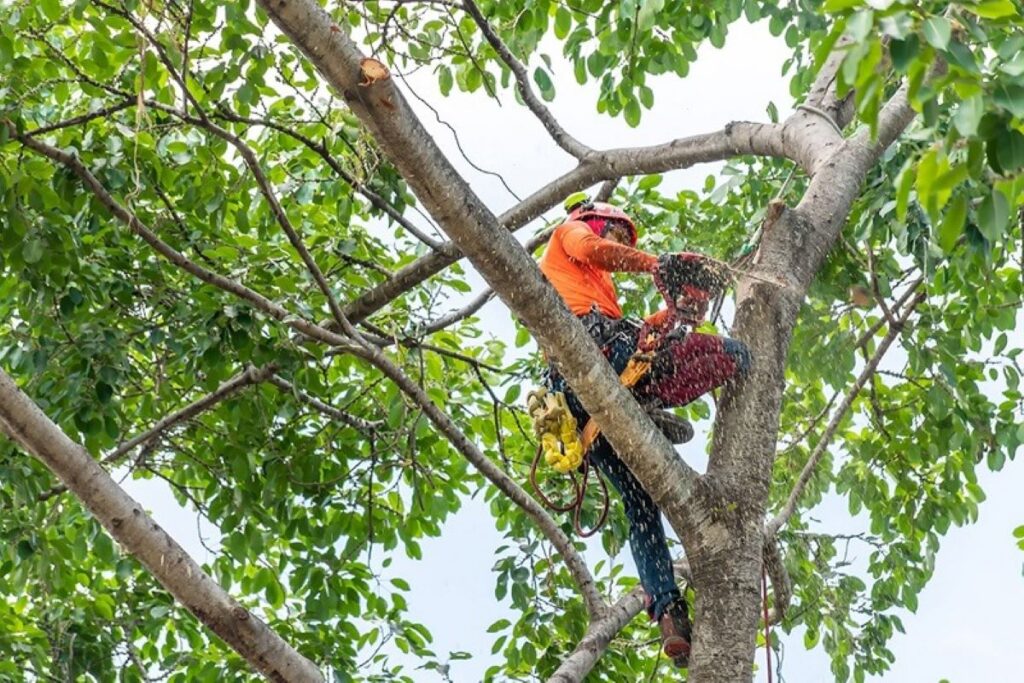
The best experiences usually come from crews that communicate clearly, price transparently, and prune with long-term tree health in mind.
What does a “tree pruning” service typically include?
Most pruning jobs include an assessment, selective cuts, and debris cleanup, which is why many homeowners search for tree pruning services near me to find qualified professionals. They should remove dead, damaged, or hazardous limbs, reduce risk near roofs and power lines, and improve structure so the tree grows more safely.
They may also include crown thinning, crown raising, or crown reduction depending on the goal. A professional should describe which approach they are using and what outcome it should deliver.
How do they decide what to cut and what to leave?
They should prune with a purpose, not by guessing or “shaping for looks” alone. A good provider usually focuses on deadwood removal, clearance, reducing limb weight, correcting poor branch structure, and preventing future breakage.
They should avoid excessive cutting that weakens the canopy. If they recommend heavy “topping” of a mature tree, that is often a red flag because it can trigger weak regrowth and long-term decline.
What should the estimate and pricing look like?
They should provide a written estimate that states the scope, the price, and what cleanup is included. Pricing usually depends on tree size, access, complexity, proximity to structures, and whether rigging or bucket work is required.
They should clarify whether the quote is per tree or per day, and whether stump work, hauling, or log removal is extra. If the price seems unusually low, it may reflect rushed cutting or limited insurance coverage.
What questions should they ask during the on-site assessment?
They should ask what the client wants to achieve, such as more light, clearance, or risk reduction. They should also ask about prior pruning, storm damage, property boundaries, and any concerns about neighbors or shared trees.
They should look for cracks, decay, weak unions, and clearance issues. If power lines are involved, they should explain what they can legally do and when the utility may need to be contacted.
How long should the job take and what is the typical process?
They should give a realistic time window and explain the sequence: setup, pruning, lowering limbs, cleanup, and final walk-through. Small pruning jobs might take a couple of hours, while larger trees or multiple trees can take a full day or more.
They should describe how they will protect lawns, landscaping, and hardscapes. If access is tight, they should talk through where equipment will go and how debris will be moved.
What safety and property protection steps should they follow?
They should use proper PPE, maintain controlled drop zones, and use ropes and rigging when limbs cannot be safely free-fallen. They should also protect driveways, fences, and roofs with careful lowering and staging.
They should confirm who is responsible for marking sprinklers, hidden wires, or delicate garden features. A professional crew typically does a pre-job safety briefing and keeps bystanders away from the work area.
What insurance, licensing, and qualifications should they have?
They should carry liability insurance and workers’ compensation, and they should be willing to show proof. Local licensing requirements vary, but they should comply with what the city or state requires for tree work.
If they advertise “certified arborist” services, they should be able to name the credential and explain what it means. Qualifications matter most when pruning involves large trees, valuable specimens, or higher-risk conditions.
When is the best time of year for pruning?
They should recommend timing based on species, health, and goals. Many trees tolerate pruning in dormant seasons, while others are best pruned after flowering or during specific windows to reduce stress and disease risk.
They should also consider local storm seasons and the urgency of hazards. If pruning is purely preventive, they should suggest a schedule that balances safety, growth, and appearance.
What results should they promise and what should they avoid promising?
They should promise clear deliverables: safer clearance, removal of deadwood, better structure, and a cleaner site afterward. They should not promise that pruning will “cure” a sick tree or guarantee a tree will never fail in a storm.
They should explain tradeoffs, including how much canopy can be removed without harming the tree. If they cannot explain why each major cut is needed, the plan may be more cosmetic than professional.
What should cleanup and disposal include?
They should specify whether they will chip branches, haul debris, stack firewood, or leave logs on-site. Cleanup expectations should be written into the estimate, including whether they rake lawns, blow hard surfaces, and remove small twigs.
They should also clarify if they will remove sawdust from decks or patios and whether they will protect or restore mulch beds disturbed by foot traffic and equipment.
How should they handle neighbors, boundaries, and permits?
They should confirm which trees are on the client’s property and discuss any shared boundary trees before cutting. If permits are required for protected species or significant pruning, they should inform the client early.
They should also coordinate access needs if trucks or chippers must park near neighboring driveways. Good providers reduce disputes by documenting scope and keeping communication professional.
What are the most common red flags when hiring “tree pruning near me”?
They should not pressure clients with same-day scare tactics or refuse to provide proof of insurance. They should not recommend topping as a default solution or offer vague pricing with no written scope.
They should also not ignore hazards like power lines or unstable limbs. If they arrive without safety gear, or if the quote seems based on speed rather than method, the risk often falls on the property owner.
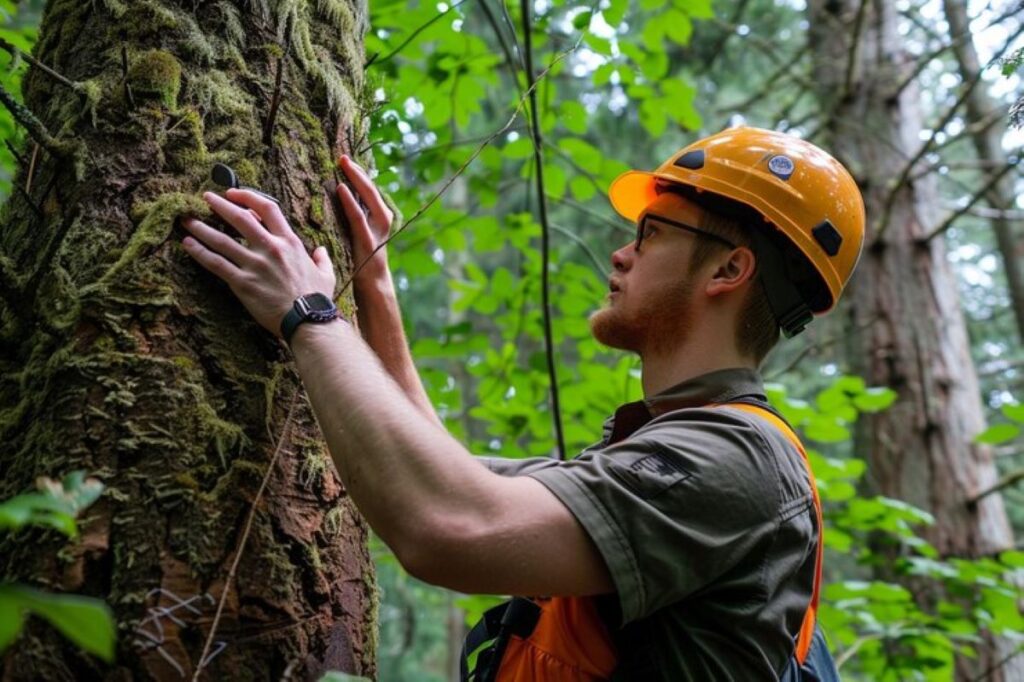
What should clients do to prepare before the crew arrives?
They should clear vehicles from the driveway and move outdoor furniture, grills, and fragile items away from the work zone. They should secure pets and keep children indoors during the job.
They should also point out sprinklers, septic components, and any delicate landscaping. A quick walk-through before work starts helps prevent misunderstandings and protects the property.
What should the final walk-through look like?
They should review the work with the client, confirm the goals were met, and show what was removed. They should also explain any remaining concerns, such as cracks, decay, or future pruning needs.
They should leave the site safe and tidy. If follow-up is recommended, they should provide a practical timeline rather than pushing unnecessary repeat visits.
More to Read : North Shore Tree Removal: Safe and Efficient Solutions for Large Trees
FAQs (Frequently Asked Questions)
What does a professional tree pruning service typically include?
A professional tree pruning service usually includes a thorough assessment, selective cuts to remove dead, damaged, or hazardous limbs, and debris cleanup. They focus on reducing risks near roofs and power lines, improving tree structure for safer growth, and may perform crown thinning, raising, or reduction depending on your goals.
How do experts decide which branches to prune and which to leave?
Experienced arborists prune with purpose—targeting deadwood removal, clearance from structures, reducing limb weight, correcting poor branch structure, and preventing future breakage. They avoid excessive cutting that weakens the canopy and steer clear of heavy topping practices that can harm mature trees long-term.
What should I expect in a tree pruning estimate and pricing?
You should receive a written estimate detailing the scope of work, price, and cleanup included. Pricing depends on factors like tree size, access difficulty, complexity, proximity to structures, and equipment needs such as rigging or bucket work. Clarify if the quote is per tree or per day and whether stump removal or hauling are extra. Beware of unusually low prices that might indicate rushed work or insufficient insurance.
What safety measures do professional tree pruning crews follow?
Professional crews use proper personal protective equipment (PPE), maintain controlled drop zones, and employ ropes and rigging for safely lowering limbs. They protect property features like driveways, fences, and roofs during work. A pre-job safety briefing is standard practice to keep bystanders safe and ensure all hazards are managed effectively.
When is the best time of year to have my trees pruned?
The ideal pruning time varies by species, health condition, and goals. Many trees tolerate pruning during dormant seasons; others are best pruned after flowering or within specific windows to minimize stress and disease risk. Professionals also consider local storm seasons and urgency of hazards to recommend optimal timing.
How should I prepare my property before the tree pruning crew arrives?
Before the crew arrives, clear vehicles from driveways and move outdoor furniture, grills, and fragile items away from the work zone. Secure pets and keep children indoors for safety. Point out sprinklers, septic systems, and delicate landscaping features during a quick walk-through with the crew to prevent misunderstandings and protect your property.